How to Spot Damage Before Starting Tile Roof Cleaning
Undertaking a thorough roof wash can transform the curb appeal of any home across Melbourne. From the heritage terracotta roofs in Camberwell to the sturdy concrete tile homes throughout Werribee and Doncaster, a clean roof makes a dramatic visual difference. However, diving directly into tile roof cleaning without a rigorous pre-wash inspection is a recipe for expensive water damage, internal ceiling collapse, and broken materials. Melbourne’s notorious weather patterns—characterised by sudden temperature shifts, winter frosts, and fierce spring squalls—take a significant toll on roof tiles. Before you or a contractor apply a drop of water or detergent, knowing how to spot underlying structural damage is an absolute necessity.
Why Pre-Wash Inspections Are Vital for Melbourne Roofs
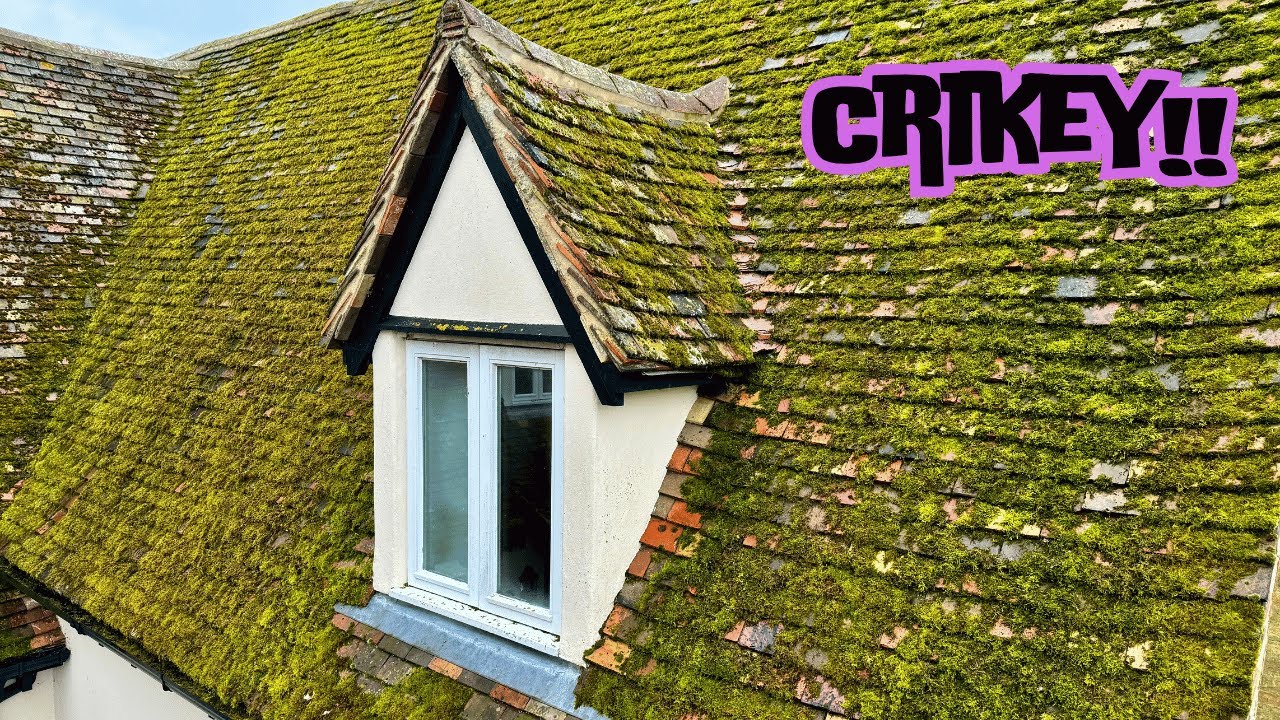
Tile roofs are exceptionally durable, but they are not indestructible. Over decades of exposure to harsh UV rays and heavy downpours, concrete and terracotta tiles develop vulnerabilities. Moss, lichen, and algae love Melbourne's damp winters, taking root in tiny fissures and spreading across the tile surface. While these growths look unsightly, they frequently hide serious defects underneath.
When high-volume water or targeted pressure is introduced during roof washing, any pre-existing fracture, displaced tile, or degraded mortar joint instantly becomes an entry point for moisture. Water pushed under cracked tiles can saturate ceiling insulation, short-circuit electrical wiring, and trigger toxic black mould inside roof cavities. Furthermore, climbing onto a tile roof that already has compromised structural integrity can lead to further tile breakage or severe fall hazards. Taking the time to evaluate the condition of your roof beforehand ensures that cleaning enhances your home rather than compromising its structural health.
Ground-Level Assessment: Safe Early Detection
Before pulling out ladders or scheduling equipment, an initial inspection should always start safely from the ground. Armed with a pair of high-powered binoculars and good daylight, you can identify many major red flags without setting foot on an elevation.
Walk the full perimeter of your property, checking every pitch and angle. Look for uneven horizontal lines along the tile courses. If a section of tiles appears to dip or sag, this often points to compromised battens or rafters beneath, usually caused by slow, persistent leaks. You should also scan for tiles that have slipped https://www.melbourneroofcleaningpros.com.au/locations/sandringham-vic-3191/ downward out of alignment. Melbourne's high winds regularly dislodge unsecured tiles, exposing the roof space below to direct weather impact.
Look closely at the roof valleys—the metal channels where two roof slopes meet. If these channels are choked with eucalyptus leaves, pine needles, or built-up silt, water can back up beneath the tiles during cleaning. Coinciding your roof maintenance with comprehensive gutter cleaning is crucial here, as overflowing gutters and blocked valleys are primary drivers of roof timber rot along the eaves.
Key Up-Close Damage Indicators on Tile Roofs
If you or an inspector access the roof structure, observing the surface closely reveals subtler defects that ground surveys miss. You must know what subtle indicators signal deeper problems before starting any wash.
- Hairline Cracks and Fractures: Hairline fractures frequently lurk beneath patches of thick moss. Thermal expansion and contraction cause concrete tiles to crack over time. If a pressure nozzle strikes a cracked tile, the force can split the tile completely in half.
- Spalling and Fretting Terracotta: Common in Bayside Melbourne suburbs like Brighton, Sandringham, and Frankston, airborne sea salts penetrate porous terracotta. The salt crystallises within the clay, causing the surface to flake, crumble, and deteriorate—a process known as fretting. Fretting tiles cannot withstand conventional washing techniques.
- Crumbling Bedding and Pointing: Ridge caps along the peaks and hips of your roof are anchored with a sand-and-cement mortar bed and sealed with flexible pointing compound. In older roofs, this compound dries out, cracks, and flakes away. Washed-out pointing allows cleaning water to pour directly into the roof apex.
- Chipped Corners and Impact Marks: Hailstorms and falling branches frequently chip tile water channels—the hidden interlocking lips on the side of each tile. Even if the main body of the tile appears sound, a damaged water channel will fail when washed.
Checking Valleys, Flashings, and Penetrations
Tiles do not work in isolation; they integrate with lead flashings, metal aprons, and drainage valleys to keep your home watertight. Damage to these metal components often masquerades as tile issues.
Inspect the lead flashing around chimneys, skylights, and vent pipes. Melbourne's intense sun can cause lead to buckle, split, or pull away from brickwork. If flashings are cracked, water from cleaning detergents and spray will run straight down the exterior walls inside your roof cavity. Valley irons should also be inspected for rust perforations. Older homes often feature galvanised valleys that rust out from the underside where debris holds moisture. If your valleys have holes, wash water will enter the house immediately.
Modern homes across Victoria frequently feature rooftop solar arrays. When planning your property care, you might consider bundling solar panel cleaning with your overall washing program. However, checking the mounting brackets that anchor the solar frames to the roof tiles is essential. Improperly installed brackets can crack underlying tiles or pinch flashing, creating hidden leak points that surface during a wash.
Comparing Tile Roofs with Metal and Colorbond Systems
It is helpful to understand how tile roof inspections differ from alternative roofing materials. Homeowners dealing with mixed-material properties or considering renovations often ask about the durability differences between tile and metal.
For instance, conducting metal roof cleaning or colorbond roof cleaning involves identifying distinct issues like surface scratching, fastener corrosion, loose neoprene washers, and cut-edge corrosion. Colorbond panels are expansive, rigid sheets that offer fewer pathways for water ingress compared to hundreds of individual, interlocking tiles. However, because metal expands and contracts significantly under Melbourne’s fluctuating temperatures, failing screw seals are the primary hazard.
Conversely, a tile roof has thousands of small gaps, overlaps, and drainage channels. While concrete and terracotta are heavy and impervious to surface scratching in the way coated steel is, their brittleness means that physical foot traffic during roof cleaning requires immense care. Stepping on the center of a concrete tile or on the nose of a terracotta profile can snap it clean through, turning a clean roof into an expensive repair job.
Step-by-Step Pre-Wash Damage Assessment Protocol
Follow a systematic process before applying any cleaning solutions or water streams to your tile roof to safeguard your home against unexpected water intrusion.
- Inspect the Ceiling Cavity First: Before stepping outside, climb into your roof space with a bright torch during the middle of the day. Turn off the attic lights and look for daylight shining through the tile battens. Inspect the insulation and timber rafters for water stains, rot, or damp spots that indicate an existing leak.
- Examine the Eaves and Fascias: Walk the exterior perimeter to inspect the timber fascia boards and under-eave linings. Peeling paint, rotting timber, or sagging eaves boards often indicate that water has been bypassing broken edge tiles or blocked gutters for months.
- Test the Stability of Ridge Caps: Gently apply sideways pressure by hand to several ridge and hip caps. If the caps wobble, shift, or show loose mortar crumbling along the base, the ridge system must be re-bedded and re-pointed prior to washing.
- Clear Valley Obstructions: Carefully scoop out dense leaf build-up and muck from the metal valley irons. Clearing this debris by hand allows you to inspect the metal for rust spots, sheet splits, or displaced tile cuts running along the valley edge.
- Identify Fragile or Brittle Zones: Note any areas under heavy tree shade where lichen growth is particularly thick. Lichen roots chemically bond with concrete tiles, softening the top cement slurry. These areas require low-pressure soft washing methods rather than standard pressure washing to prevent stripping the tile surface.
Repairing vs. Cleaning: When to Hold Off
If your pre-clean inspection uncovers fractured tiles, deteriorating mortar, or rusted valley trays, you must pause the cleaning project. Cleaning a damaged roof does not solve maintenance issues—it magnifies them. Attempting to wash over crumbling pointing will blast the remaining mortar out entirely, leaving ridge caps completely loose and prone to blowing off during the next stormy Melbourne afternoon.
Replace cracked or broken tiles first. Matching older terracotta tiles or discontinued concrete profiles is readily achievable through Melbourne's extensive network of reclaimed roofing yards. Have a qualified roofing specialist re-point ridge caps with modern flexible acrylic compounds, which expand and contract seamlessly with temperature variations. Allow newly applied pointing compounds to cure completely—typically requiring a dry window of 24 to 48 hours depending on humidity—before exposing them to cleaning agents or running water.


Selecting the Proper Cleaning Method for Tile Roofs
Once you have confirmed that your tiles, flashings, pointing, and drainage channels are in pristine structural health, choosing the appropriate washing methodology is the final step. In 2026, industry standards strongly favor soft washing techniques for residential tile roofs. High-pressure washing (exceeding 2500 PSI) can strip the protective glaze from terracotta and remove the cementitious surface slurry from concrete tiles, rendering them more porous and accelerating future moss infestation.
Soft washing utilizes specialized, biodegradable cleaning solutions applied at low pressure to sanitize the surface, breaking down lichen spore networks, moss root systems, and air pollution grime. Once the treatment has dissolved the organic matter, a gentle rinse restores the tiles without disturbing bedding mortar or forcing water past tile overlaps. By properly spotting and rectifying all damage beforehand, you guarantee that your roof cleaning project revitalises your home's appearance while preserving its protective shell for decades to come.
Melbourne Roof Cleaning Pros
2/19 Chandos St, Cheltenham VIC 3192
ph. (03) 4514 5137